
Key takeaways
- Chewing ice can cause enamel wear, micro-cracks, chips, and fractures, as well as damage to fillings, crowns, and veneers.
- Doing it every day increases cumulative stress on your teeth and can point to a habit called pagophagia.
- A constant craving for ice may be linked to iron deficiency and deserves a conversation with your doctor.
- You can enjoy ice more safely by letting it melt, choosing soft nugget ice, or sipping cold drinks through a straw.
- If a tooth hurts when biting or feels sensitive to cold, our Dedham team can check for cracks early.
Quick Answer: Is Chewing Ice Bad for Your Teeth?
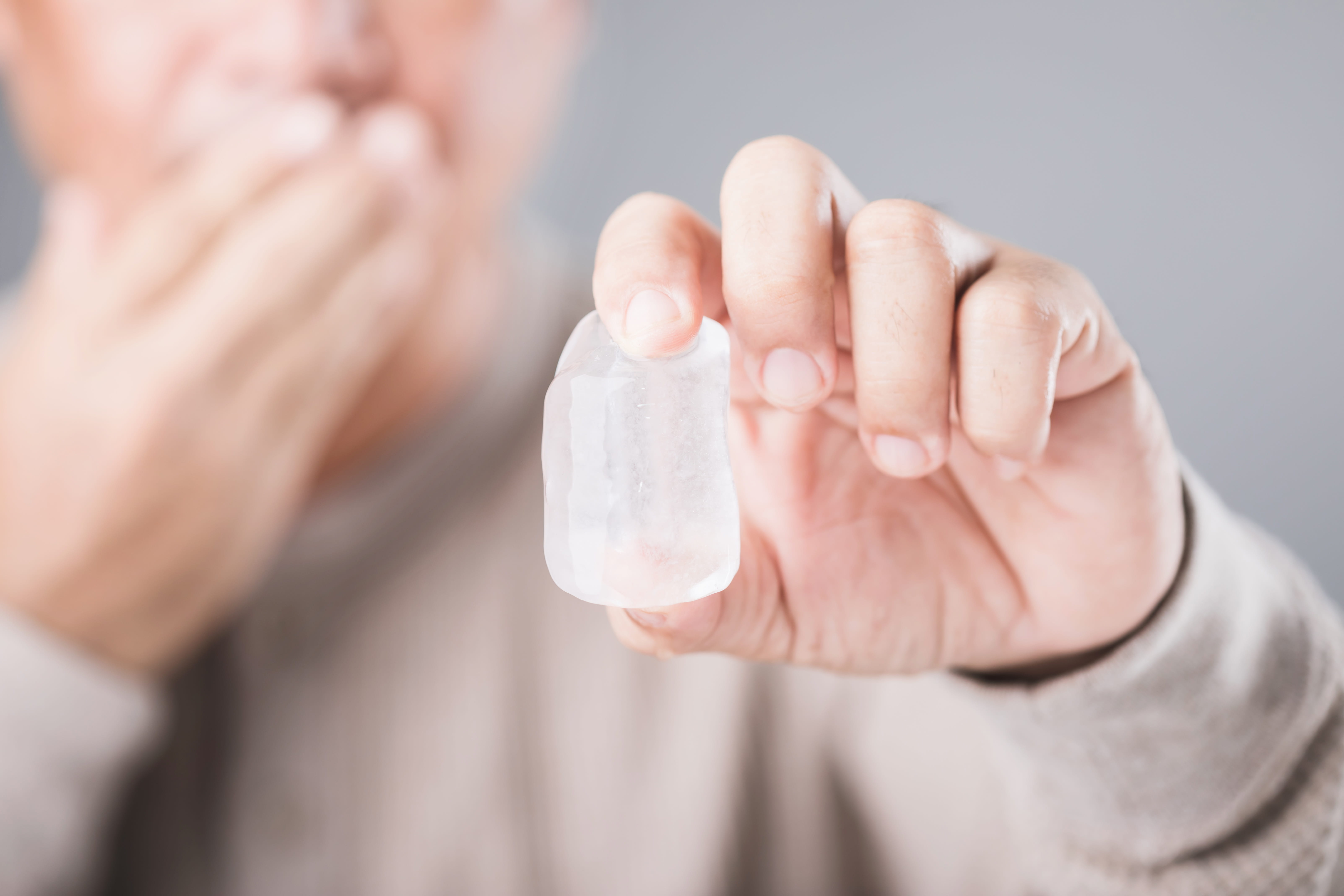
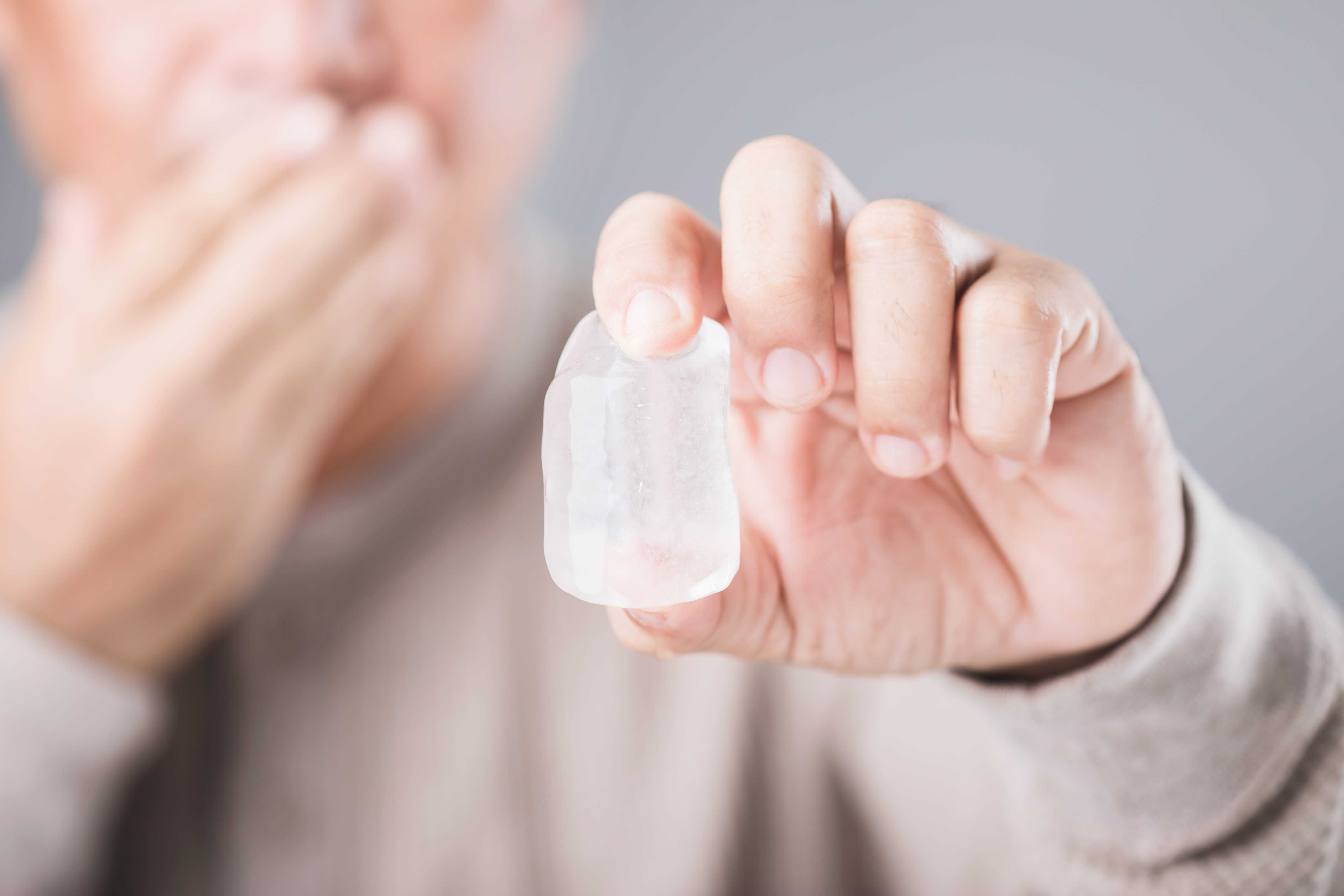
Yes, chewing ice really is bad for your teeth. Dental Park explains that ice may feel harmless because it is only frozen water, but it is stubbornly hard, and your teeth pay the price every time you crunch it.
The short answer from our Dedham, MA dental team
In our Dedham chairs, we see the aftermath of the ice habit more often than most people would guess. A hairline crack here, a chipped edge there, a filling that popped loose during a movie-night ice binge. The habit feels satisfying in the moment, yet it slowly chips away at teeth that are meant to last a lifetime.
Why hard ice is different from other foods
Your teeth are built to handle chewing, but ice fights back. Unlike soft foods that give way, ice stays rigid until it suddenly shatters, sending a jolt of force straight into your enamel. That sharp, unpredictable pressure is exactly the kind of stress teeth were never designed to absorb over and over again.
What Actually Happens to Your Teeth When You Chew Ice
Chewing ice quietly stacks up damage in four main ways: it wears enamel, it cracks teeth, it harms dental work, and it leaves teeth more sensitive. Each crunch adds a little more wear and tear.
Enamel wear and micro-cracks
Enamel is the toughest tissue in your body, yet it is not bulletproof. Repeated crunching creates tiny fault lines you cannot see, and enamel does not grow back once it is gone. Over months and years, those micro-cracks can widen and set the stage for bigger problems.
Cracked, chipped, or fractured teeth
Sometimes damage is dramatic rather than gradual. One unlucky bite on a stubborn cube can chip a corner or split a tooth. A cracked tooth from chewing ice can be sneaky, causing a sharp twinge only when you bite in a certain way.
Damage to fillings, crowns, and veneers
Your dental work is strong, but it is not indestructible either. The pressure of crunching ice can loosen fillings, chip veneers, and even fracture crowns. Replacing that work costs far more than the free ice ever saved you.
Increased tooth sensitivity
Once enamel thins and cracks appear, the nerves inside your teeth become easier to irritate. Suddenly cold drinks sting, sweets ache, and everyday sips feel uncomfortable. That new sensitivity is often your teeth waving a warning flag.
"Patients are always surprised when I tell them a favorite ice habit caused their cracked tooth. Enamel is remarkable, but it cannot repair itself, so protecting it today saves you from bigger repairs tomorrow."
Is It Bad to Chew Ice Every Day?
Yes, chewing ice every day is worse than doing it once in a while, because the damage builds up over time. Daily crunching turns a small risk into a steady one.
Cumulative stress on teeth and gums
Think of your teeth like a bridge that carries traffic all day. A single heavy load may be fine, but constant strain eventually causes fatigue. Daily ice chewing keeps loading your teeth with sharp force, and that steady stress can wear down surfaces and irritate the gums around them.
When a habit becomes a warning sign
A daily, almost urgent need to chew ice has a name: pagophagia. When ice moves from an occasional treat to something you feel you must have, it is worth paying attention. The habit itself can be more than a quirk.
The link between ice craving and iron deficiency
A strong, ongoing craving to chew ice is often tied to low iron. Research has connected this pattern with iron deficiency and anemia, and cravings sometimes ease once iron levels improve. You can read more in this review linking ice cravings to iron.
Could Craving Ice Signal a Health Problem?
Yes, a constant craving for ice can be a signal worth checking with your doctor, especially if it feels compulsive. Your teeth may be the first place the problem shows up.
Pagophagia and pica explained
Pagophagia is a form of pica, which describes cravings for items with little nutritional value. Studies have connected pica patterns like ice chewing with anemia and related concerns, as summarized in this systematic review on pica and oral health.
When to talk to your doctor about iron levels
If you find yourself reaching for ice all day, ask your doctor about a simple blood test. Low iron is common and treatable, and addressing it can help both your energy and your teeth. We are happy to coordinate with your physician when we notice these clues during a visit.
Other health risks tied to compulsive ice eating
Heavy, compulsive ice eating has occasionally been linked to other issues, including rare cases affecting sodium balance. While uncommon, it is one more reason not to ignore a craving that will not quit.
How to Eat Ice Without Damaging Your Teeth
The safest way to enjoy ice is to avoid crunching it altogether. If you love the cold sensation, a few small swaps let you keep the chill without the cracks.
Hold ice in your mouth and let it dissolve slowly instead of biting down. You still get the refreshing coolness, minus the sharp force on your enamel.
If you crave texture, choose shaved or soft nugget-style ice that crumbles gently rather than fighting back like a solid cube.
Enjoy your favorite cold drink by sipping the chilled liquid through a straw and leaving the ice behind in the glass.
Better Alternatives to Chewing Ice
The best alternatives to chewing ice satisfy the urge to crunch without risking your teeth. These simple swaps give your mouth something to do while keeping enamel intact.
- Sugar-free gum to satisfy the urge to chew
- Crunchy, tooth-friendly snacks like carrots or apple slices
- Cold water to cool your mouth
- Chilled grapes or berries for a refreshing bite
- Crunching solid ice cubes
- Biting hard candy
- Chewing on pens or fingernails
- Using teeth to open packages
Sugar-free gum is a smart swap because it keeps your mouth busy and can support enamel health, as noted in this study on chewing gum and enamel. For a broader plan to keep gums healthy too, see our preventing gum disease tips from our Dedham dentist.
Signs You May Have Already Damaged a Tooth
You may have already damaged a tooth if you notice pain when biting, new sensitivity, or a rough edge you can feel with your tongue. Catching these signs early makes repairs simpler.
Symptoms that warrant a visit
- A sharp pain when you bite down in one spot
- Lingering sensitivity to cold or sweet foods
- A chipped or jagged edge you can feel
- A filling or crown that feels loose
If your gums also feel tender, our guide on what to do when your gums are swollen can help you decide your next step.
How our Dedham dentists find cracks
Cracks can be tricky to spot, so we use a careful exam, bite testing, and imaging to track down the source of the trouble. Finding a crack early often means a smaller, easier fix.
Treatment options for cracked or worn teeth
Depending on the damage, treatment may range from smoothing a rough edge to bonding, a crown, or other restorative care. Learn about how dental bonding can fix a chipped tooth for minor repairs.
Protecting Your Smile: How Dental Park Can Help
Our Dedham team helps you protect your smile through prevention, timely repairs, and options that ease strain on at-risk bites. A little care now prevents bigger problems later.
Preventive care and cleanings
Regular checkups and cleanings let us catch early wear before it becomes a crack. Our Preventive Dentistry visits also give us a chance to spot habits like ice chewing and gently steer you toward safer choices. Stock your bathroom with our recommended oral care products to keep enamel strong between visits.
Restorative options for damaged teeth
When a tooth is already hurt, we offer solutions from bonding to Crowns and Bridges to restore strength and comfort. We match the repair to the damage so you keep as much of your natural tooth as possible.
Straightening options for at-risk bites
Sometimes a crowded or uneven bite puts extra pressure on certain teeth, which raises the risk of cracks. Invisalign uses clear, removable aligners custom-made from a 3D scan to gently guide teeth into better alignment. Because the aligners lift out for brushing and flossing, they help lower the risk of cavities, gum disease, and bone loss. Most people finish treatment in about three to ten months and often notice changes within that window. Invisalign suits nearly everyone, from kids and teens to adults and the elderly, with no surgery required. You wear the aligners nearly all day and only take them out to clean your teeth and the aligners. Dr. Lee at Dental Park handles our Invisalign cases and can tell you if it fits your smile. See how Invisalign can correct crowded teeth and bite issues to learn more.
Ready to take the next step?
Schedule a consultation with Dental Park in Dedham.
Call (781) 326-6260
Meet Dr. Yaerin Lee, a Diamond Invisalign Provider
Dr. Yaerin Lee brings a well-rounded academic foundation to her work in dentistry. She began her studies in the sciences, earning a Bachelor of Arts in Biology from Case Western Reserve University in Cleveland, Ohio, before pursuing her dental education at NYU College of Dentistry, where she received her Doctor of Dental Surgery (DDS) degree. Dr. Lee's clinical focus centers on cosmetic, reconstructive, and preventive dentistry. As a Diamond Invisalign Provider, she has demonstrated advanced experience and a strong track record of success with clear aligner treatment. She places a strong emphasis on continuing education, staying current with advancements in the field so she can offer patients the most effective and up-to-date treatment options available. This dedication is reflected in her professional memberships, which include the American Dental Association, the Academy of General Dentistry, and the American Academy of Cosmetic Dentistry. Outside the practice, Dr. Lee is active in community service, volunteering with a pediatric mobile dental van program that extends care to underserved children in the area. For Dr. Lee, dentistry is about more than technical skill - it's about helping people feel genuinely confident in their smiles. She approaches every patient relationship with warmth and care, focused on supporting both the health and the beauty of each smile she treats.
Frequently asked questions
Yes. Chewing ice every day stacks up small amounts of damage, wearing enamel and raising the risk of cracks, chips, and harm to fillings and crowns over time. A daily, urgent urge for ice can also hint at low iron, so it is worth mentioning to your doctor.
Let the ice melt slowly in your mouth instead of crunching it. If you crave texture, choose soft, shaved, or nugget-style ice, or sip your chilled drink through a straw and leave the ice in the glass.
Habits that apply hard or repeated force, like crunching ice, biting hard candy, or chewing pens, are among the quickest ways to crack teeth. Frequent sugary and acidic drinks and skipping regular cleanings also wear teeth down over time.
Sugar-free gum is a great swap because it satisfies the urge to chew without risking your enamel. Cold water, chilled grapes or berries, and crunchy snacks like carrots also give you a refreshing bite safely.
A constant craving to chew ice is called pagophagia and is often linked to iron deficiency. If the urge feels hard to control, ask your doctor about a simple blood test to check your iron levels.
Yes. The sharp, sudden pressure of crunching ice can loosen fillings and chip or fracture crowns and veneers. Replacing that dental work usually costs far more than avoiding ice would, so it is best to let ice melt instead.
For directions, use this helpful Google Maps link or get step-by-step navigation via Get Directions.
Remember: Let ice melt instead of crunching it, and mention any strong ice craving to your doctor since it may point to low iron.
Disclaimer: This article is for general information only and does not replace personalized advice from your dentist or physician.