
Quick answer
Yes. For many patients, a single Invisalign plan can close gaps, align crowded teeth, and improve bite issues at the same time, with most treatment finishing in about 3 to 10 months.
Key takeaways
- One Invisalign plan can often address gaps, crowding, and bite problems together.
- Clear aligners are custom-made from a 3D scan and move teeth gradually.
- Most patients complete treatment in roughly 3 to 10 months.
- Invisalign suits kids, teens, adults, and older patients, with no surgery for most cases.
- Wear aligners nearly all day and remove them only to brush and floss.
Quick Answer: Can Invisalign Fix Gaps, Crowding, and Bite Issues at the Same Time?
Yes, for most patients, Invisalign can address gaps, crowding, and bite issues within one treatment plan. Clear aligners guide teeth into better positions step by step, so several concerns can be improved at once rather than treated separately.
The short answer for most patients
Most people who come to our Dedham office wondering if they need three different treatments are relieved to learn the truth. A single set of custom aligners can move teeth to close spaces, relieve crowding, and refine how the upper and lower teeth meet. A systematic review of Invisalign treatment found that clear aligners are effective for many common tooth movements, which is why combined plans are so practical.
When a combined treatment plan makes sense
A combined plan makes sense when your gaps, crowding, and bite concerns are mild to moderate and connected. Often, crowding and bite problems share a root cause, so correcting one naturally helps the others. Dr. Yaerin Lee at Dental Park reviews your 3D scan to confirm whether one sequenced plan can handle everything or whether a phased approach fits you better.
What Invisalign Is and How It Works
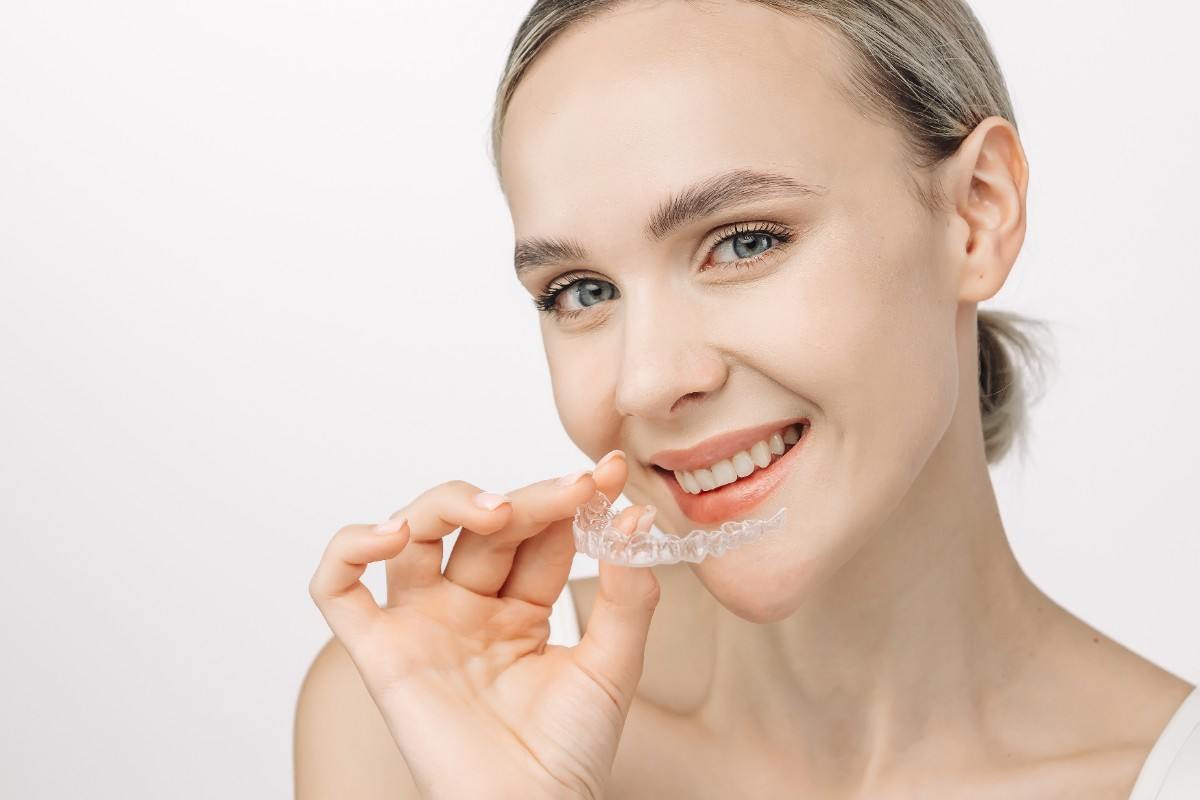
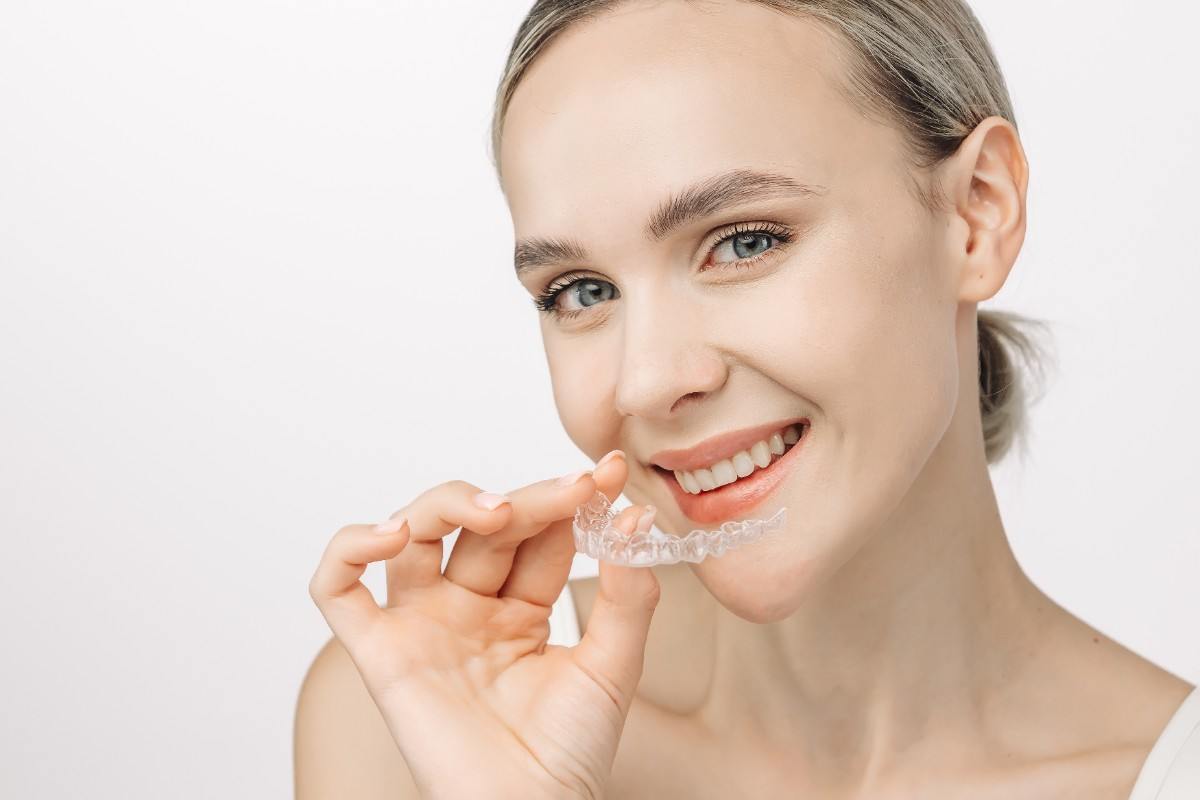
Invisalign is a system of clear, removable aligners that gently reposition your teeth. Each aligner is custom-made for your mouth and worn in a planned sequence until your smile reaches its goal.
Clear, removable aligners custom-made from a 3D scan
Your treatment begins with a digital 3D scan of your teeth. From that scan, a personalized series of aligners is designed to match the exact shape of your mouth. Because they are clear, they are hard to notice, and because they are removable, caring for your teeth stays simple.
How aligners move teeth gradually
Each aligner applies gentle, steady pressure to specific teeth. As you move through the series, your teeth shift a little at a time until they reach their planned positions. This gradual approach is comfortable and controlled. If you are curious whether these movements involve your jaw, we explain whether Invisalign moves your jaw in more detail.
Why removability protects your oral health
The removable design is one of the biggest advantages of Invisalign. You take the aligners out only to brush and floss, which keeps your teeth and gums cleaner than fixed brackets often allow. Good daily cleaning helps lower your risk of cavities, gum disease, and bone loss. For more ideas, review our tips for preventing gum disease .
Can Invisalign Close Gaps Between Teeth?
Yes, Invisalign can close many gaps between teeth. By moving teeth closer together in a planned sequence, aligners gently reduce or eliminate visible spaces.
How big of a gap can Invisalign address
Invisalign handles small and moderate spaces very well, and it can often address larger gaps depending on the cause and how your teeth are positioned. During your consultation, Dr. Lee at Dental Park measures each space and confirms what is realistic for your smile. Some wide gaps may benefit from a combined plan, and in select cases, restorative options such as crowns or bridges can complete the look after tooth movement.
What the research shows about spacing correction
Research supports aligners as a reliable option for closing spaces. A review of tooth movement accuracy with Invisalign reported that certain planned movements, including space closure, respond predictably to clear aligners. This is why so many patients with gaps between teeth are strong candidates.
Can Invisalign Fix Crowded Teeth?
Yes, Invisalign can align crowded teeth in most mild to moderate cases. Aligners create the room needed and guide overlapping teeth into a smoother, straighter arch.
How aligners create room and align crowded teeth
When teeth are crowded, there is not enough space for each tooth to sit properly. Invisalign gently widens the arch or makes small, careful adjustments so each tooth has room. Over the series, crowded and rotated teeth ease into alignment. You can learn more about how Invisalign fixes crowded teeth and bite issues in our related guide.
Mild, moderate, and complex crowding
Mild and moderate crowding usually responds very well to Invisalign. More complex crowding may still be treatable, though it can take longer and may need extra planning. Dr. Lee at Dental Park evaluates your scan to place your case in the right category and to set honest expectations from the start.
Can Invisalign Correct Bite Issues?
Yes, Invisalign can improve many bite issues, including overbite, underbite, crossbite, and open bite. Aligners reposition the teeth so the upper and lower arches meet more evenly.
Overbite, underbite, crossbite, and open bite
Bite problems affect how you chew, speak, and wear your teeth over time. Invisalign gradually adjusts tooth positions to bring your bite into better balance. Mild and moderate bite concerns are commonly treatable, while more involved cases receive a customized plan.
What the evidence says about bite correction
Evidence continues to support aligners for bite improvement. A review on clear aligners and anterior open bite in adults found that aligners can help manage open bite cases. Combined with careful planning, this makes Invisalign a strong choice for many bite concerns.
"In my daily practice, I often see patients who assume gaps, crowding, and bite concerns each require a separate fix. In many cases, one thoughtful Invisalign plan can improve all three together, and that keeps treatment simpler and more comfortable."
Treating Gaps, Crowding, and Bite Together in One Plan
Yes, a single Invisalign plan can treat gaps, crowding, and bite issues together through a carefully sequenced series of aligners. Each stage builds on the last so your smile improves steadily.
How a sequenced treatment plan works
We take a 3D scan and design a step-by-step plan that maps out every tooth movement.
The first aligners often relieve crowding and begin closing spaces to create a stable foundation.
Later aligners fine-tune how your upper and lower teeth meet for a balanced bite.
Final aligners polish the position of each tooth, so your results look and feel complete.
Realistic timelines and expected results
Most patients complete treatment in about 3 to 10 months, and many notice visible changes within that same window. Your exact timeline depends on how much movement your teeth need. Combining goals into one plan is often more efficient than treating each concern separately.
Who Is a Good Candidate for Invisalign?
Almost everyone is a candidate for Invisalign. It works for a wide range of ages and concerns, and most cases need no surgery at all.
Suitable for kids, teens, adults, and older patients
Invisalign is available for kids, teens, adults, and older patients. Because the aligners are removable and easy to clean, they fit comfortably into busy family routines. Whether you are a teen who wants a subtle option or an older adult finally addressing a lifelong gap, there is likely a plan for you.
No surgery needed for most cases
The vast majority of Invisalign cases are handled without any surgical treatment. Your consultation and 3D scan reveal whether clear aligners alone can reach your goals. Dr. Lee at Dental Park will always be honest if another approach would serve you better.
Living With Invisalign: Wear, Eating, and Cleaning
Living with Invisalign is straightforward. Wear your aligners nearly all day, keep up simple cleaning habits, and your treatment stays on track.
Wearing aligners nearly 24 hours a day
For the best results, wear your aligners almost 24 hours a day, taking them out only to brush and floss. Consistent wear is the single most important habit for staying on schedule. Learn more about how many hours you should wear Invisalign .
Eating and drinking with a few simple habits
Your daily routine barely changes. With just a little guidance and a few simple habits, you can keep your aligners clean and your teeth healthy throughout treatment. Rinsing and brushing when needed keeps everything fresh.
Brushing and flossing to prevent cavities and gum disease
Clean your teeth and aligners regularly so plaque never has a chance to build up. Because you remove the aligners to brush and floss, keeping your teeth clean is easier than with fixed brackets, which helps reduce the risk of cavities, gum disease, and bone loss.
- A soft toothbrush for teeth and aligners
- Floss once a day after removing aligners
- Lukewarm water to rinse your aligners
- A protective case when aligners are out
- Hot water that can warp the aligners
- Skipping wear time during the day
- Colored or abrasive toothpaste on aligners
- Storing aligners in a napkin where they get lost
Meet Dr. Yaerin Lee, a Diamond Invisalign Provider
Dr. Yaerin Lee brings a well-rounded academic foundation to her work in dentistry. She began her studies in the sciences, earning a Bachelor of Arts in Biology from Case Western Reserve University in Cleveland, Ohio, before pursuing her dental education at NYU College of Dentistry, where she received her Doctor of Dental Surgery (DDS) degree.
Dr. Lee's clinical focus centers on cosmetic, reconstructive, and preventive dentistry. As a Diamond Invisalign Provider, she has demonstrated advanced experience and a strong track record of success with clear aligner treatment. She places a strong emphasis on continuing education, staying current with advancements in the field so she can offer patients the most effective and up-to-date treatment options available. This dedication is reflected in her professional memberships, which include the American Dental Association, the Academy of General Dentistry, and the American Academy of Cosmetic Dentistry.
Outside the practice, Dr. Lee is active in community service, volunteering with a pediatric mobile dental van program that extends care to underserved children in the area.
For Dr. Lee, dentistry is about more than technical skill - it's about helping people feel genuinely confident in their smiles. She approaches every patient relationship with warmth and care, focused on supporting both the health and the beauty of each smile she treats.
Ready to take the next step?
You can schedule a visit online or call us at (781) 326-6260.
Frequently asked questions
Yes. Invisalign can improve many bite concerns, including overbite, underbite, crossbite, and open bite, by gradually repositioning your teeth so the upper and lower arches meet more evenly. Mild and moderate cases usually respond well, and more involved cases receive a customized plan from Dr. Lee.
Invisalign handles small and moderate gaps very well and can often address larger spaces depending on the cause. During your consultation, Dr. Lee measures each space and confirms what is realistic. Some wide gaps may be completed with a combined plan or restorative options after tooth movement.
The idea behind the 30-minute guideline is to keep your aligners out for only short periods during the day so you stay close to full wear time. Since you take aligners out only to brush and floss, keeping breaks brief helps your treatment stay on schedule and on track for your planned results.
Most Invisalign treatments succeed when aligners are worn as directed. The biggest factor in results is consistent wear time. When patients follow their plan and attend check-ins, outcomes are dependable, which is why steady daily wear is so strongly encouraged.
Most patients complete Invisalign in about 3 to 10 months, and many notice visible changes within that same window. Your exact timeline depends on how much movement your teeth need and how consistently you wear your aligners each day.
Yes. For most patients, a single Invisalign plan can close gaps, align crowded teeth, and improve bite issues together through a sequenced series of aligners. Dr. Lee reviews your 3D scan to confirm whether one plan can handle all three concerns for you.
For directions, use this helpful Google Maps link or get step-by-step navigation via Get Directions .
Remember: Wear your aligners nearly all day and remove them only to brush and floss so your treatment stays on schedule.
Disclaimer: This article is for general information only and is not a substitute for a personal evaluation with Dr. Yaerin Lee in Dedham, MA.